How Much Wedding Photography Coverage Do You Really Need?

One of the first questions couples ask when planning photography is simple:
How many hours do we actually need?
And honestly, it is a good question.
Wedding photography coverage is not one-size-fits-all. A four-hour elopement, an intimate backyard wedding, a full-day celebration, and a three-day cultural wedding all need very different kinds of coverage. The right amount depends on what is happening, where it is happening, how much you want documented, and what you want the final gallery or film to feel like.
It is not just about checking boxes.
It is about making sure the story has enough space to be told well.
If you are trying to figure out what kind of coverage makes sense for your wedding day, here are the things to consider.
Start with the story you want documented
Before thinking about hours, think about what parts of the day you want to remember.
Do you want the quiet getting ready moments? The details? The first look? The ceremony? Family photos? Cocktail hour? Reception speeches? Dancing? A private last dance? Late-night flash photos? The full emotional arc from morning to night?
Some couples want the whole day documented from the anticipation to the afterparty. Others care most about the ceremony, portraits, and a little bit of celebration afterward.
Neither is wrong.
The question is not “How much coverage do most couples book?”
The better question is “What part of this day would we be sad not to have photos or video of?”
That answer will tell you a lot.
Four-hour coverage: best for elopements, courthouse weddings, and very intimate celebrations
Four hours can be a beautiful fit for a smaller wedding day.
This amount of coverage often works well for:
Courthouse ceremonies
Short outdoor elopements
Backyard vows
Small family gatherings
Simple ceremonies with portraits afterward
Micro-weddings with minimal formal events
With four hours, you can usually document the most essential parts of the day. For example, you might have coverage for a first look, ceremony, family photos, couples portraits, and a small toast or dinner setup.
What four hours usually does not allow for is the full start-to-finish story. There may not be much time for getting ready, reception events, extended candid coverage, multiple locations, or a long dinner celebration.
That does not mean four hours is “less than.” It just means it works best when the day itself is simple, intentional, and not trying to include too many moving parts.
If your wedding is small and centered around a few meaningful moments, four hours can be enough.
Six-hour coverage: best for shorter weddings with a little more breathing room
Six hours gives you more flexibility.
This can work well for intimate weddings or smaller celebrations where you want some getting ready coverage, the ceremony, portraits, family photos, and part of the reception documented.
A six-hour timeline might include:
Final getting ready moments
A first look
Couples portraits
Immediate family photos
Ceremony
Cocktail hour candids
Reception entrance
Toasts or dinner moments
Six hours is often a good middle ground for couples who want the day documented with care but are not planning a large, late-night reception.
The biggest thing to watch with six-hour coverage is timing. If your ceremony and reception are far apart, or if you have multiple locations, those transitions can use up a lot of your coverage. Travel time still counts as part of the photography day, so it is important to build the timeline realistically.
Six hours can feel spacious when everything is in one location. It can feel tight when the day is spread out.
Eight-hour coverage: the classic full wedding day option
Eight hours is one of the most common coverage lengths for a traditional wedding day because it usually allows for a more complete story.
With eight hours, there is often time for:
Getting ready details and candids
Getting dressed
First look or pre-ceremony portraits
Wedding party photos
Family photos
Ceremony
Cocktail hour
Reception details
Entrances
Speeches
First dances
Open dancing
This does not always mean every single part of the day will be covered from the first makeup appointment to the final exit, but it usually gives enough space to capture the emotional arc.
Eight hours is especially helpful if you want both candid storytelling and guided portraits. It gives your photographer time to notice the in-between moments instead of rushing from one required photo to the next.
If you are having a full wedding with a ceremony, cocktail hour, dinner, speeches, and dancing, eight hours is often the safest starting point.
Ten or more hours: best for full-day stories, travel, cultural events, and larger weddings
Some wedding days need more than eight hours.
Longer coverage may make sense if:
You have multiple locations
You want both partners’ getting ready moments documented fully
You have a large wedding party
You have a long family photo list
Your ceremony and reception are far apart
You have cultural or religious traditions across the day
You want late-night dancing or a formal exit documented
You are planning a full weekend or multi-day celebration
Ten or more hours allows the story to unfold more naturally. The photographer is not only showing up for the main events. They are there for the build-up, the transitions, the emotional pauses, and the later parts of the night when everyone finally lets loose.
This type of coverage can also be helpful for photo and video teams. Video especially benefits from time: audio setup, establishing shots, movement, speeches, vows, and ambient moments all contribute to the final film.
If you want the day to feel fully preserved, longer coverage may be worth it.
Think carefully about travel time
Travel time is one of the easiest things to overlook.
If you are getting ready at one location, having a ceremony somewhere else, taking portraits at a third location, and then heading to a reception venue, the timeline can become tight quickly.
Even short drives add up. So does parking, loading gear, walking between spaces, gathering people, and waiting for transportation.
A wedding day with multiple locations may need more coverage than a wedding where everything happens at one venue.
That does not mean you cannot have multiple locations. Some of the most meaningful wedding days include a favorite trail, family home, overlook, city street, garden, or lakefront. But if location matters to your story, give it enough time.
Rushing through a meaningful place defeats the purpose of choosing it.
Consider whether you want photo, video, or both
Photography and videography document the day differently.
Photos freeze moments. They let you hold onto a glance, a hug, a detail, a landscape, a hand on a shoulder. You can print them, frame them, pass them down, and revisit them one image at a time.
Video brings back movement and sound. The tremble in your voice during vows. The way your people cheered after the ceremony. The music, the speeches, the laughter, the way the day moved.
If you are considering both photo and video, your coverage may need to be planned with a little more intention. A photo and video team will often work together throughout the day, but video may need time for audio, establishing shots, and extra movement around key moments.
Bundling photo and video can create a more seamless experience because the team is working from the same rhythm. It can also help the final gallery and film feel aligned emotionally.
If video matters to you, do not treat it as an afterthought. Build it into the timeline from the beginning.
Prioritize the moments that matter most to you
Not every couple cares about the same things.
Some couples want detailed getting ready coverage because the morning is full of family, heirlooms, and quiet anticipation. Some care most about ceremony photos. Some want as many candid guest moments as possible. Some want editorial-feeling portraits. Some want the dance floor fully documented. Some want nature woven into the day.
Your coverage should match your priorities.
A helpful exercise is to make two lists:
Must-have memories
Nice-to-have memories
Must-have memories might include vows, family photos, couples portraits, speeches, or private moments together. Nice-to-have memories might include flat lays, late-night dancing, reception details, or a grand exit.
Once you know what matters most, it becomes easier to choose coverage that protects those parts of the day.
Do not base your decision only on price
Budget matters. It absolutely does.
But wedding photography coverage is one of those decisions where the cheapest option may not always support the experience you want.
If you book too little coverage, the day may feel rushed. Important moments may get compressed. You may spend more time worrying about the schedule than actually being present.
That does not mean you need the largest package available. It means you need the right fit.
Sometimes a shorter package is perfect. Sometimes adding an extra hour or two changes the entire day. Sometimes the best choice is adjusting the timeline, simplifying locations, or moving portraits earlier so your coverage works harder.
The goal is not to book more for the sake of more.
The goal is to have enough time for the story you care about.
Ask your photographer for timeline guidance early
You do not have to figure this out alone.
A good photographer can help you look at the day realistically. They can tell you where the timeline feels comfortable, where it feels tight, and where an extra buffer could make the experience better.
They can also help you think through light, locations, family photo lists, portrait timing, first looks, reception flow, and whether your coverage matches your priorities.
This is especially important if your day is nontraditional. If you are planning a backyard wedding, forest elopement, city hall ceremony, mountain weekend, or multi-day event, a standard wedding timeline template may not fit.
Your day does not need to follow a script. Your coverage just needs to support what you are actually planning.
The right coverage gives you room to be present
At its best, wedding photography coverage should feel like support.
It should give the day enough structure without making it feel staged. It should allow your photographer to document the expected moments and the unexpected ones. It should create room for portraits, but also for presence. It should let you move through the day without constantly wondering whether there is enough time.
Because the photos are not just about what happened.
They are about what it felt like.
The right coverage gives you space to live the day fully, knowing the story is being held with care.
From the Journal
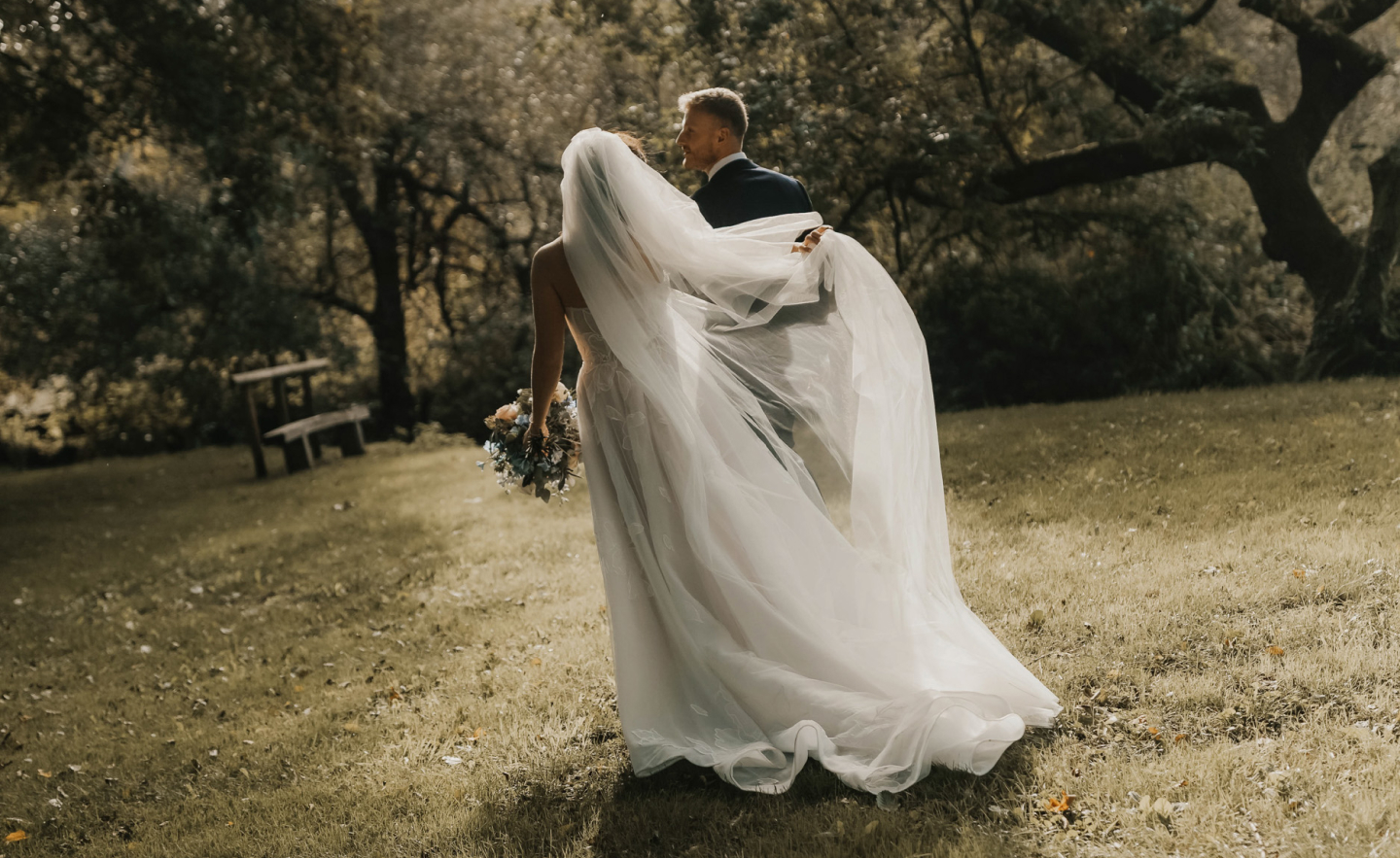
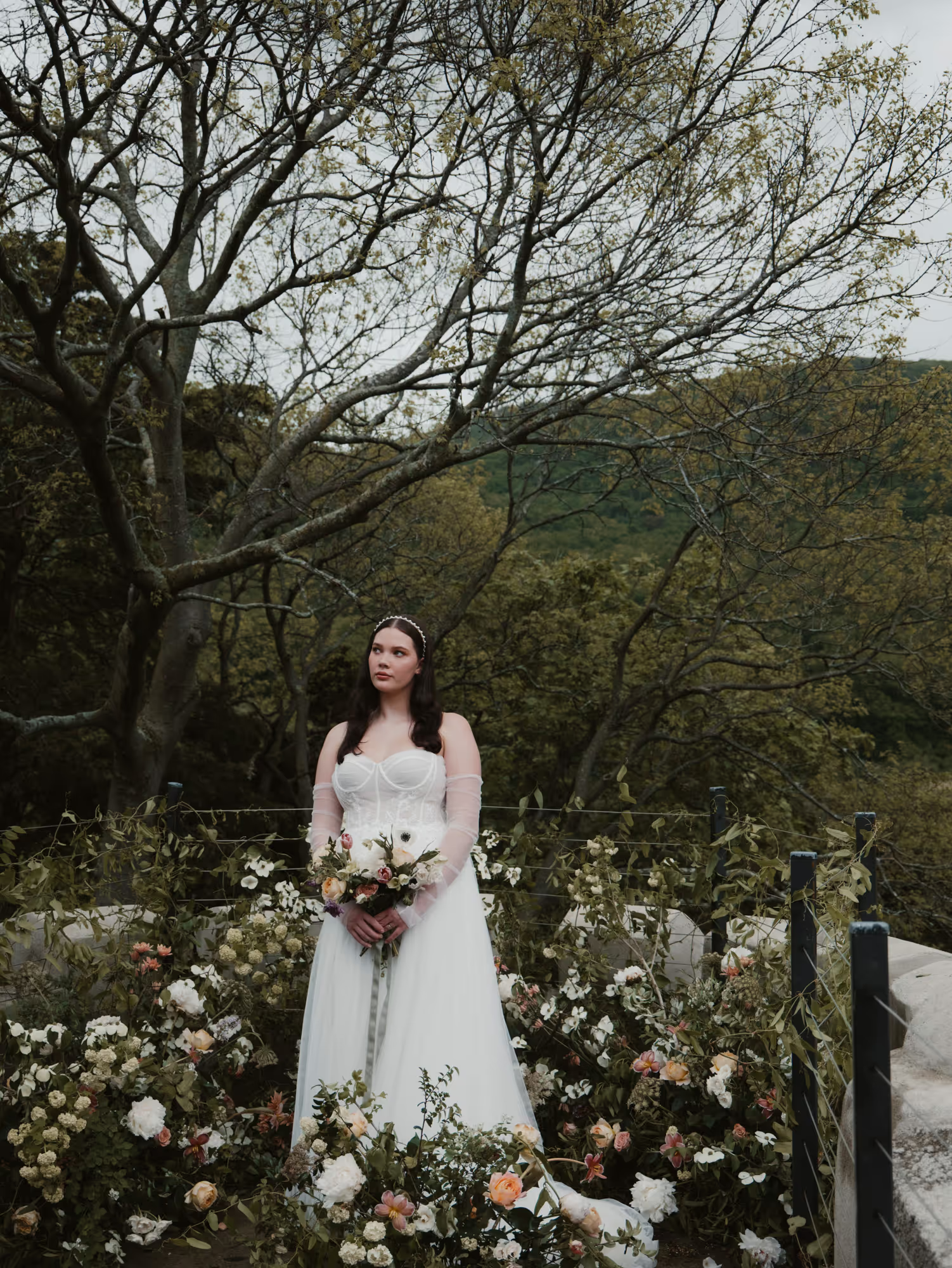
Eloping in Nature... Simple and Meaningful Locations
An expanded planning resource for couples who love the idea of an outdoor elopement but do not want a strenuous mountain hike. This post offers accessible, meaningful nature-based location ideas, planning considerations, and encouragement for creating an intimate elopement that feels personal without needing to be dramatic.
How Much Wedding Photography Coverage Do You Really Need?
A planning guide for couples trying to decide how much wedding photo and video coverage they need. This post explains how to think through coverage based on the day’s structure, location, emotional priorities, traditions, travel time, and whether the couple wants photo, video, or both.