How to Build a Wedding Photography Timeline That Still Feels Like You

A wedding timeline can sound like the least romantic part of planning. It is spreadsheets, arrival times, hair and makeup slots, transportation buffers, family photo lists, ceremony start times, and a whole lot of “Where does everyone need to be?”
But when it is done well, your timeline is not there to make your day feel rigid.
It is there to protect the feeling of it.
A thoughtful photography timeline gives you room to breathe. It creates space for the moments you actually care about: the quiet morning with your people, the first look where everything suddenly feels real, the hug from your grandmother after the ceremony, the golden hour portraits that feel soft and unforced, the last song when everyone is sweaty and happy and fully in it.
The goal is not to schedule every emotion. You cannot plan the exact second someone tears up, laughs too hard, grabs your hand under the table, or pulls you into a dance. But you can create a day with enough space for those things to happen naturally.
Here is how to think through a wedding photography timeline that feels intentional, calm, and true to you.
Start with how you want the day to feel
Before you start plugging times into a schedule, take a step back and ask a better question:
How do we want our wedding day to feel?
Not just how do you want it to look. How do you want to move through it?
Do you want a slow morning with coffee, music, and only your closest people around? Do you want to spend as much time as possible with guests? Do you want private vows before the ceremony? Do you want portraits to feel relaxed instead of like a long formal photo session? Do you want to be tucked away in nature for part of the day?
Your timeline should support those priorities.
If being present with your guests matters most, you may want to do a first look and most portraits before the ceremony. If you want the ceremony aisle moment to be the first time you see each other, that is completely valid too, but your portrait timing will need to shift later in the day. If you want documentary-style coverage, the timeline should not be packed so tightly that there is no room for real moments to unfold.
The best timelines begin with values, not logistics.
Build in more buffer time than you think you need
Weddings rarely run exactly on time, and that is not a failure. It is just the nature of the day.
Hair and makeup can take longer than expected. Someone may need help with a boutonniere. A parent might disappear right before family photos. Transportation may take longer. A dress may need extra time to button, zip, lace, steam, or adjust.
The problem is not that these things happen. The problem is when there is no buffer, so every small delay creates stress.
A good photography timeline should include breathing room around the major transitions:
Getting dressed
First look
Wedding party portraits
Family photos
Ceremony start
Cocktail hour
Reception entrances
Sunset portraits
Even adding 10 to 15 minutes of margin in a few key places can completely change the energy of the day. It gives everyone permission to move at a human pace.
And honestly, some of the best photos happen in those buffer moments. The last deep breath before the ceremony. Your mom fixing your sleeve. Your partner squeezing your hand before portraits. Your friends laughing while waiting for the next thing to start.
Those are not “extra” moments. They are the story.
Give getting ready coverage enough space
Getting ready photos are not just about robes, perfume bottles, cufflinks, or flat lays. They are about anticipation.
This is the part of the day where the energy is still building. People are gathering, details are coming together, nerves are starting to show, and it all begins to feel real.
For photography, getting ready coverage usually works best when there is time for both details and people. That might include:
Your dress, suit, shoes, jewelry, vow books, invitation suite, rings, florals, or heirlooms
Final hair and makeup moments
Candids with friends or family
Parents seeing you dressed for the first time
Quiet portraits before the day gets busy
The actual process of getting dressed
A common mistake is scheduling photo coverage to begin too late. If the photographer arrives when everyone is already fully dressed and rushing out the door, the morning can feel compressed.
You do not need your entire morning photographed from the first makeup brush to the final button. But having enough time for the last part of getting ready allows the story to begin naturally instead of abruptly.
For many weddings, having your photographer arrive around 60 to 90 minutes before you get dressed is a good starting point. More detailed or multi-location mornings may need more.
Decide whether a first look makes sense for you
A first look is not required. Some couples love the idea. Some do not. There is no right answer.
The real question is: what kind of experience do you want?
A first look can be helpful if you want a private moment together before the ceremony. It can calm nerves, create space for portraits earlier in the day, and allow you to join cocktail hour later instead of spending the entire time taking photos.
It can also make the timeline smoother if you have a large wedding party, a long family photo list, multiple locations, or a winter wedding where daylight is limited.
But skipping a first look can also be beautiful. Seeing each other at the ceremony may feel more meaningful to you. That moment of walking down the aisle, surrounded by your people, might be exactly what you want.
Both options can be documented beautifully.
If you do not do a first look, just be realistic about where portraits will live in the timeline. Couples portraits, wedding party photos, and family photos will likely happen after the ceremony, which means cocktail hour may be busier. That is okay, as long as the schedule allows for it.
Keep family photos organized and intentional
Family photos are important. They are also one of the easiest parts of the day to underestimate.
The key is to make a list before the wedding day. Not a vague idea. A real list with names and groupings.
Instead of writing “family photos,” write:
Couple with Partner A’s parents
Couple with Partner A’s immediate family
Couple with Partner A’s grandparents
Couple with Partner B’s parents
Couple with Partner B’s siblings
Couple with both immediate families
This helps the photographer move quickly and keeps everyone from standing around wondering who is next.
It is also helpful to assign one person from each side of the family who knows the group and can help gather people. Your photographer can direct the photos, but they may not know that Uncle Mike wandered over to cocktail hour or that your cousin’s baby needs to be included in one specific photo.
Keep the list focused. You can absolutely include the people who matter most, but try not to turn family photos into every possible combination. The longer the list gets, the more the energy drops.
A focused family photo list gives you the important keepsakes without taking over the day.
Make room for portraits without making the day feel like a photoshoot
Couples portraits matter, but they should not feel like you are being pulled away from your own wedding for hours.
For most weddings, portraits can be broken into a few smaller pockets of time:
A first look or pre-ceremony portrait window
A short just-married portrait session after the ceremony
A golden hour session later in the evening
This approach keeps things relaxed. You are not trying to get every single portrait in one long block, and you get different emotions throughout the day.
Pre-ceremony portraits tend to feel quiet and anticipatory. Just-married portraits have that “we actually did it” energy. Golden hour portraits often feel softer, warmer, and more reflective.
The goal is not to pose you endlessly. It is to give you space to be together.
A good photographer will offer direction when needed, especially if you feel awkward in front of the camera. But direction should feel like support, not performance. You should still feel like yourselves.
Do not forget the in-between moments
The in-between moments are often the ones couples end up loving most.
The walk from the ceremony to cocktail hour.
Your friends fixing your veil.
The way your partner looks at you during speeches.
The flower girl asleep on someone’s shoulder.
Your parents watching you dance.
The two of you sneaking away for a minute alone.
These moments usually do not happen when the timeline is too packed.
If the day is scheduled down to every minute, everyone is constantly being moved from one thing to the next. There is no time to notice, settle, laugh, cry, wander, or take it all in.
Documentary-style photography thrives when there is room for presence. That does not mean having no plan. It means having a plan that creates space.
The timeline should guide the day, not grip it too tightly.
Think about light, especially for outdoor weddings
Light has a huge impact on the feeling of your photos.
If you are planning an outdoor ceremony, portraits in nature, or a wedding day with multiple locations, it is worth thinking about where the sun will be at different parts of the day.
Midday light can be bright and harsh, especially in open spaces without shade. Late afternoon and golden hour tend to be softer and more flattering. Blue hour, right after sunset, can feel quiet and cinematic. Overcast days can be beautiful too, especially for documentary-style photos with a softer mood.
If portraits are important to you, try to leave space around sunset for a short session. Even 10 to 15 minutes can be enough.
For ceremonies, think about shade and direction. If one of you is in full sun and the other is in shade, the photos may feel uneven. If guests are staring directly into the sun, they may be squinting through the whole ceremony. These are small details, but they matter.
Your photographer can help you think through light in a way that still supports the day you want.
Let your reception timeline breathe too
Once the reception begins, the day often starts to move quickly.
Entrances, dinner, speeches, dances, cake, parent dances, open dancing. It can all be beautiful, but it can also feel like one event stacked on top of another.
Try to leave space between major reception moments. This allows people to react, settle, and actually experience what is happening.
For photography, reception coverage is not only about the formal events. It is also about the atmosphere: candlelight, tables full of people you love, your friends laughing at the bar, kids running across the dance floor, grandparents watching from their seats, late-night hugs, messy dance floor joy.
The more relaxed the reception flow feels, the more natural those moments become.
Your timeline should feel like a support system
A wedding timeline is not meant to control the day. It is meant to support it.
The best timelines make room for both structure and spontaneity. They give your photographer enough time to document the things that matter while also leaving space for the real, unscripted moments that make the day yours.
You do not need a perfect timeline. You need a thoughtful one.
One that lets you be present.
One that makes room for the people you love.
One that protects the quiet moments and the big feelings.
One that helps your photos feel like memories, not just images.
Because years from now, you probably will not remember whether portraits started at exactly 4:15.
You will remember how the day felt.
And that is what your photography timeline should be built around.
From the Journal
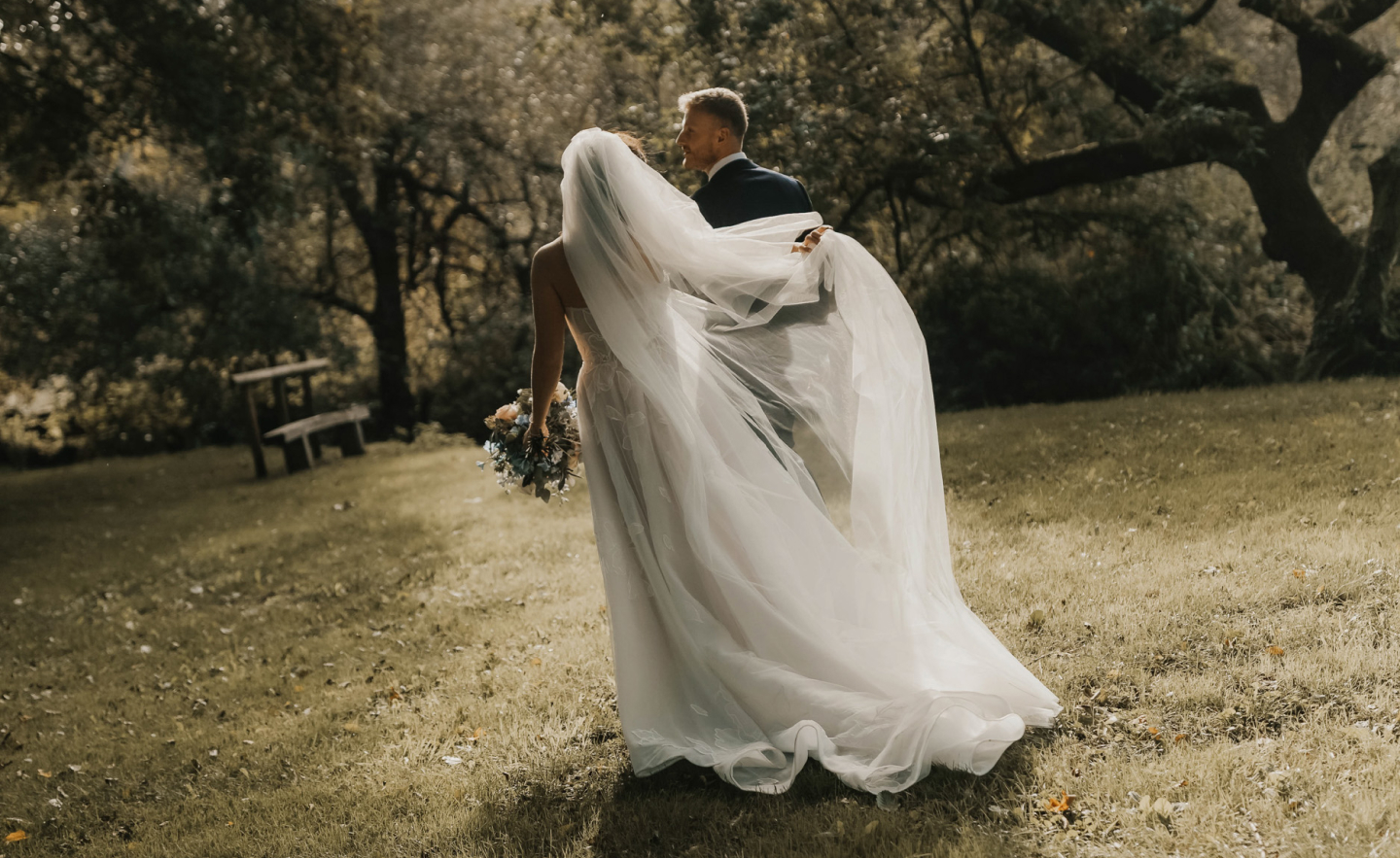
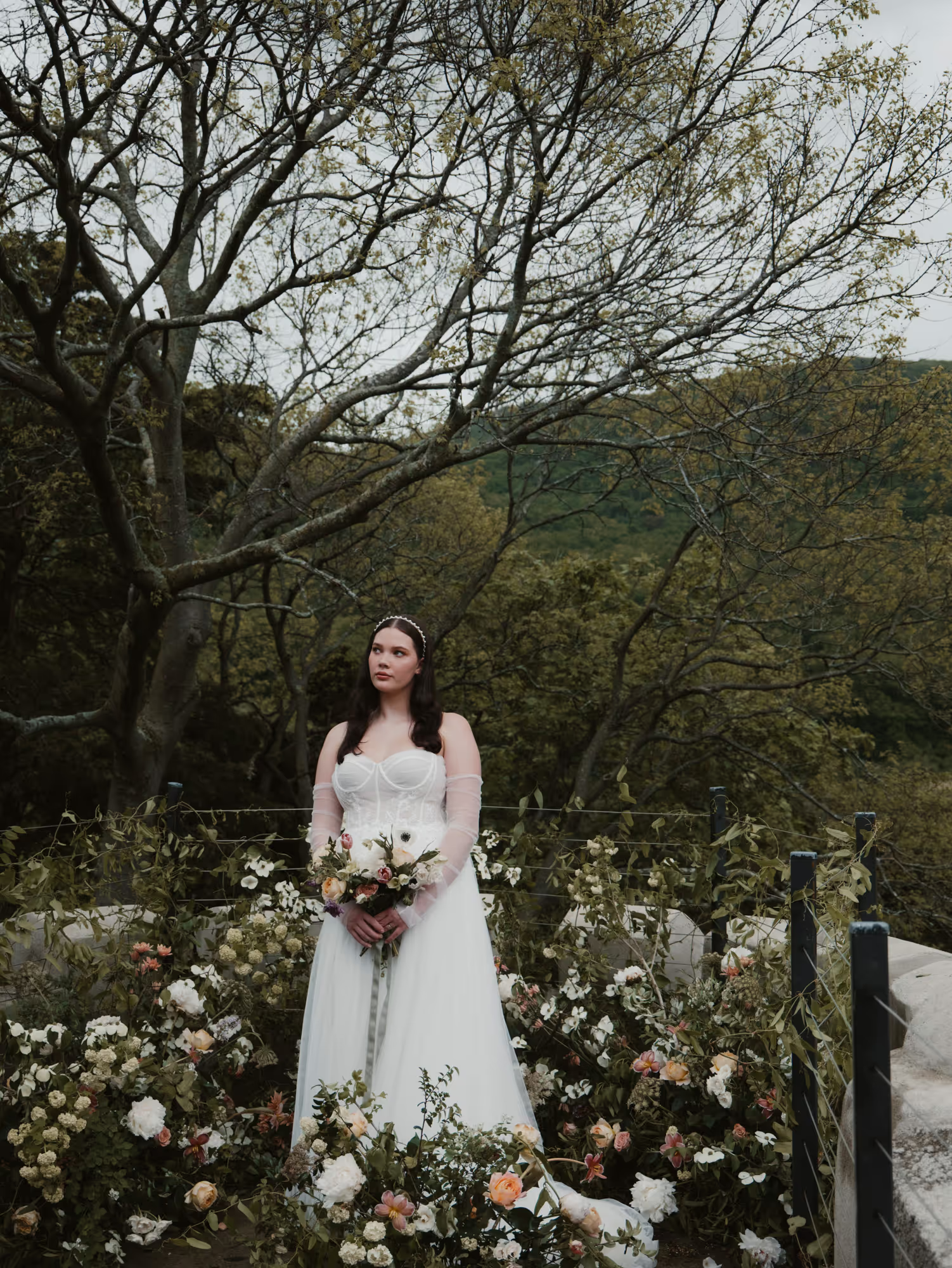
Eloping in Nature... Simple and Meaningful Locations
An expanded planning resource for couples who love the idea of an outdoor elopement but do not want a strenuous mountain hike. This post offers accessible, meaningful nature-based location ideas, planning considerations, and encouragement for creating an intimate elopement that feels personal without needing to be dramatic.
How Much Wedding Photography Coverage Do You Really Need?
A planning guide for couples trying to decide how much wedding photo and video coverage they need. This post explains how to think through coverage based on the day’s structure, location, emotional priorities, traditions, travel time, and whether the couple wants photo, video, or both.